Runtime Is Not a Fixed Number
One of the most common misunderstandings about a UPS is treating its runtime as a single fixed figure. In reality, runtime is directly tied to how much load you’re drawing from it at the moment power fails — the heavier the load, the shorter the runtime, and vice versa. Manufacturers typically publish a full-load runtime figure as the worst-case reference point, and that’s the number worth paying attention to when you’re sizing a UPS against real equipment.
A Real Example: APC SRV3KI
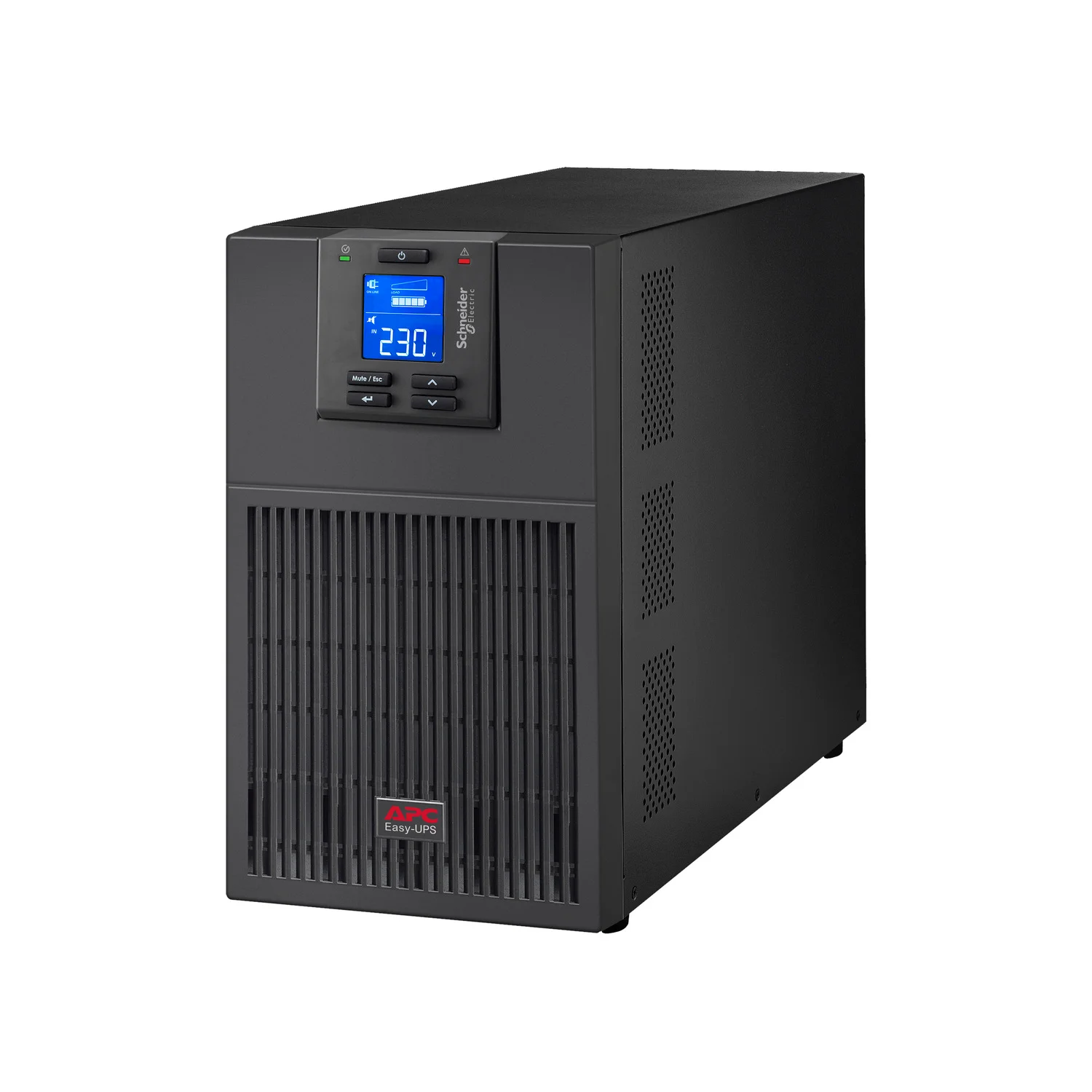
The APC SRV3KI Easy UPS On-Line SRV 3000VA 230V (Rs. 277,097) is rated for 3000VA / 2400W, and its listed runtime at full load is 4 minutes 24 seconds. That short window is by design — this is an on-line, double-conversion UPS meant to keep servers and networking equipment running cleanly through brief interruptions and voltage events, and to bridge to a generator or an orderly shutdown, not to power a full load for an extended stretch. The unit also runs an energy-saving ECO mode and uses intelligent, temperature-compensated charging to help prolong battery life over time, and is rated at 88% efficiency at full load.
Why Load Matters So Much
Because the published runtime figure is measured at full load, actually drawing less than the unit’s rated capacity generally extends how long it can keep equipment running — this is a basic characteristic of how battery-based UPS units work, though the exact relationship depends on the specific battery and equipment involved rather than a number we can quote here. The practical takeaway: don’t size a UPS purely to your equipment’s rated draw with zero headroom, since running near full capacity is exactly the scenario where you’ll see the shortest runtime figure.
Battery Design Also Plays a Role
For larger installations where extended runtime and easy maintenance matter more, the Eaton 9PX10KSP Online UPS 10kVA 9kW (Rs. 315,840) uses hot-swappable VRLA batteries along with Eaton’s ABM battery technology, which is rated to extend battery life by 50% compared to conventional charging approaches. Hot-swappable batteries also mean that when battery replacement is eventually needed, it can be done without powering down connected equipment — a practical advantage for infrastructure that needs to stay online continuously.
What a Stabilizer Can’t Do Here
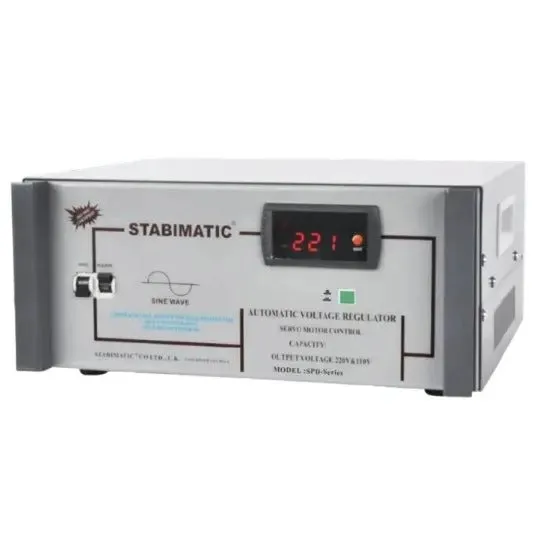
It’s worth repeating the distinction from elsewhere in this category: units like the Stabimatic SPD-5KVA Servo Automatic Voltage Regulator (Rs. 54,520) have no battery and therefore no runtime at all during a full outage — their job is purely voltage correction while power is present, not backup power when it isn’t.
Frequently Asked Questions
What is the full-load runtime of the APC SRV3KI?
It’s listed at 4 minutes 24 seconds at full load (3000VA / 2400W), which is designed to bridge short outages rather than sustain a full load for an extended period.
Does a lighter load always mean longer runtime?
Generally, yes — battery-based UPS units are rated for their shortest runtime at full load, so running below full capacity typically extends how long the battery lasts, though the exact figures depend on the specific setup.
Does the Eaton 9PX10KSP have a longer runtime than the APC SRV3KI?
The exact runtime figures differ by configuration and load, but the Eaton 9PX10KSP is built with hot-swappable batteries and ABM battery technology rated for 50% longer battery life, aimed at larger, continuous commercial deployments.
Why doesn’t a stabilizer have a runtime rating?
Because stabilizers like the Stabimatic SPD-5KVA don’t contain a battery — they regulate voltage while grid power is present but provide no backup power during a full outage.
Leave a Reply